
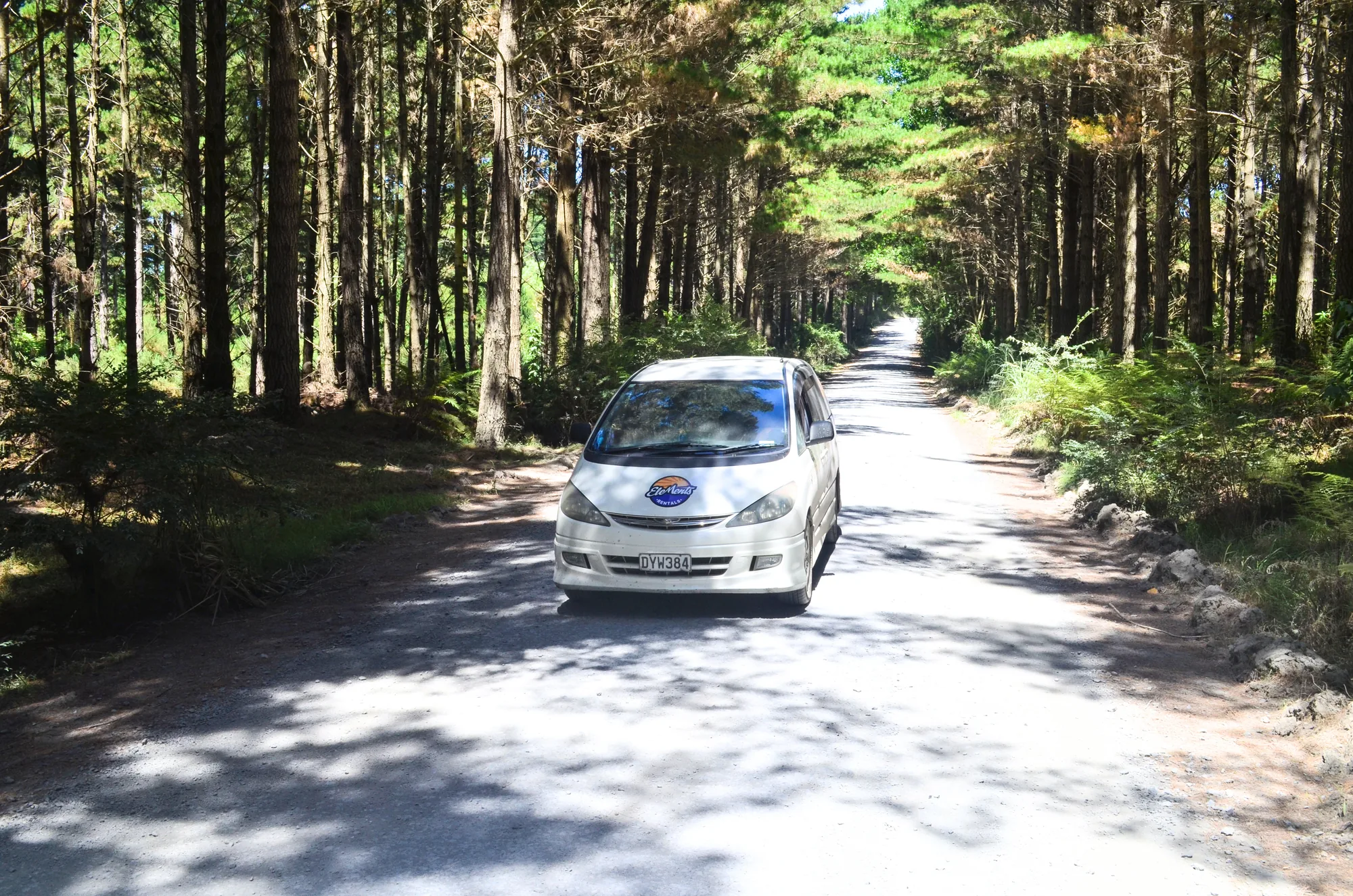
A New Zealand trip does not have to mean expensive motels and restaurant meals every night. The travellers who spend less usually do three things well: they sleep in a small camper, they cook for themselves, and they are realistic about when they travel and whether they should rent or buy.
Here are five practical ways to keep costs down.
In this article
1. Travel in a small campervan
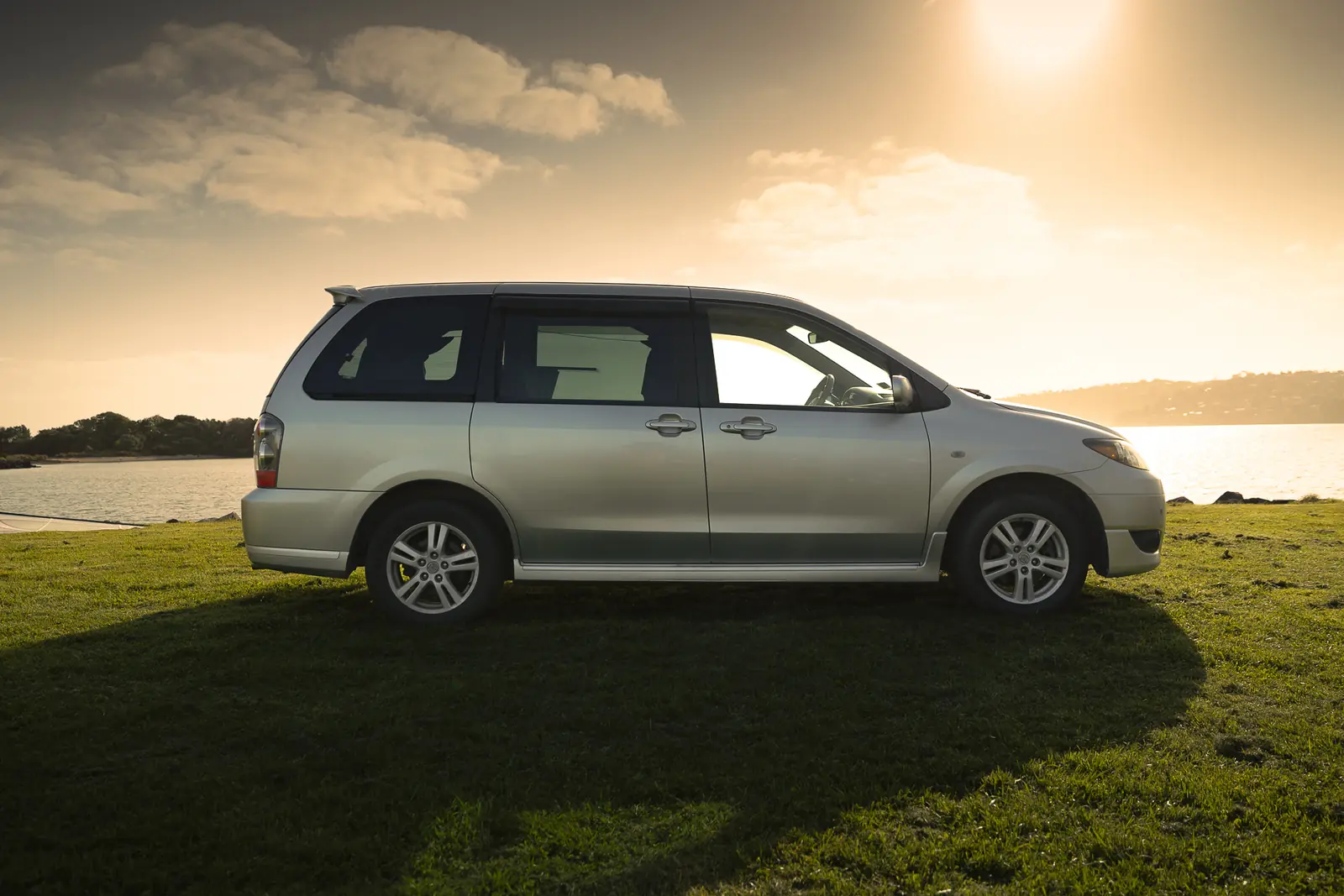
A small camper is both your transport and your accommodation. That is the single biggest saving for many visitors. TREK’s campers are small, NZ-built vans — not large motorhomes — and you can rent or buy from Auckland Airport or Christchurch Airport. If you are buying on a tighter budget, look at current clearance stock as well.
2. Choose a self-contained van if you will freedom camp
A certified self-contained camper can reduce what you spend on campgrounds, because you can stay in places where freedom camping is allowed for self-contained vehicles. You still need to follow local signs and bylaws; certification is not a pass to camp anywhere.
Since 7 June 2026, only vehicles with a current green warrant card and certificate, recorded on the national Self-Contained Vehicle register, are recognised as self-contained for freedom camping on public land. The old blue warrant is no longer valid. People often call the warrant card the green sticker, but a decorative sticker on its own is not official proof.
Source: Plumbers, Gasfitters and Drainlayers Board.
On TREK’s current range, Medium Budget, Medium Premium, Large Budget and Large Premium sale campers, and Medium and Large rentals, are self-contained: each has a current green warrant card and is on the national register. The Budget Camper is a car-plus-tent setup and is not self-contained.
If you prefer holiday parks every night, a non-self-contained van can still be a good, cheaper-to-buy option. Pay for the sites and use the kitchens and showers.
3. Cook your own meals
Food is one of the easiest costs to control. Use the cooker in the van, shop at a supermarket, and keep a few staples on board. Eating out is for the nights you want it, not for every breakfast and dinner. We have not repeated older dollar estimates for supermarket shops or eating out, because those figures go stale quickly.
4. Travel outside the busiest weeks where you can
School holidays and the peak of summer are the most expensive times to rent a camper and to book popular campgrounds. If your visa and plans allow, shoulder-season travel is often quieter and kinder to the budget. Check live rental prices for your own dates when you book.
5. Be clear about rent versus buy
A short trip usually favours a rental (10% deposit). A longer stay can favour buying, especially with TREK’s $1,000 sales deposit and a guaranteed buyback of up to 50% of the original purchase price on eligible vehicles (not clearance or special-sale campers), subject to the buyback terms, so you are not guessing what you will get back. Work through the comparison in rent or buy a campervan in New Zealand.
Updated 18 November 2026 by the TREK Campers team.
Frequently asked questions
What is the cheapest way to travel around New Zealand?
For many travellers, a small campervan is the cheapest overall option because it is both transport and a place to sleep. A certified self-contained van can reduce campground costs where freedom camping is allowed. Cooking your own meals and travelling outside the busiest weeks also helps.
Does a self-contained campervan save money?
It can, if you will use legal freedom-camping areas and cook in the van. Since 7 June 2026 you need a current green warrant card and certificate, with the vehicle on the national register, to freedom camp on public land where a self-contained vehicle is required. Source: PGDB.
Is it cheaper to rent or buy a camper in NZ?
It depends on how long you are staying. See our rent-or-buy guide. TREK rentals use a 10% deposit; purchases use a $1,000 deposit, and eligible sale vehicles have a guaranteed buyback of up to 50%, subject to the buyback terms. Buyback does not apply to clearance or special-sale campers.